
EU4Sustainability – A Three-Year Journey of Advancing Knowledge and Sustainable Development at UEH
09 Sep, 2026
Three years of interdisciplinary education for sustainable development
One of the core components of EU4Sustainability has been the development and delivery of courses that provide students with multidisciplinary perspectives on sustainable development, drawing particularly on the experience of the European Union.
Throughout the three-year project period, seven courses were successfully delivered every year through a flexible combination of online and face-to-face learning, attracting more than 400 student participations at UEH. The seven courses were:
- Sustainable Development as a Global Trend
- Sustainable Development Goals in European Agenda
- EU Sustainable Finance and Investment
- The European Sustainable Society as Research Item
- Sustainable Development in EU External Relations
- Sustainable Development and General Principles of EU Law
- The EU Green Deal: Prospects and Challenges
The courses were designed from an interdisciplinary perspective, connecting economics, finance, investment, society, law, and international relations. The blended learning approach also provided students with opportunities to engage with lecturers, exchange ideas, and discuss contemporary sustainability challenges in Vietnam, Europe, and the wider global context.
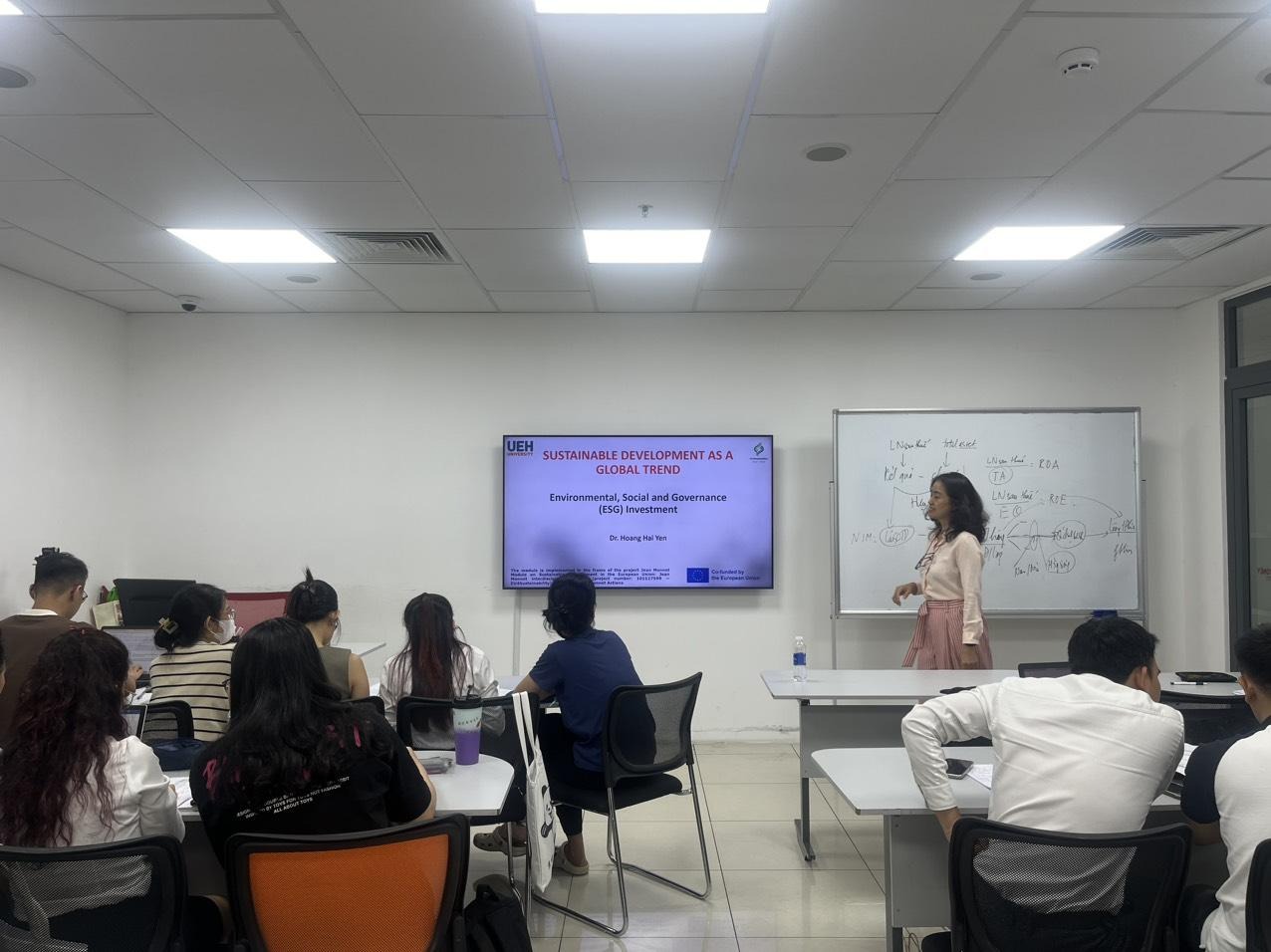
Figure 1 – The “Sustainable Development as a Global Trend” course delivered by Assoc. Prof. Dr. Hoang Hai Yen.
Beyond introducing EU policies and practices, the courses encouraged students to apply interdisciplinary thinking to real-world issues, including green transition, sustainable finance, climate change, energy transition, and the responsibilities of economic actors toward society and the environment.
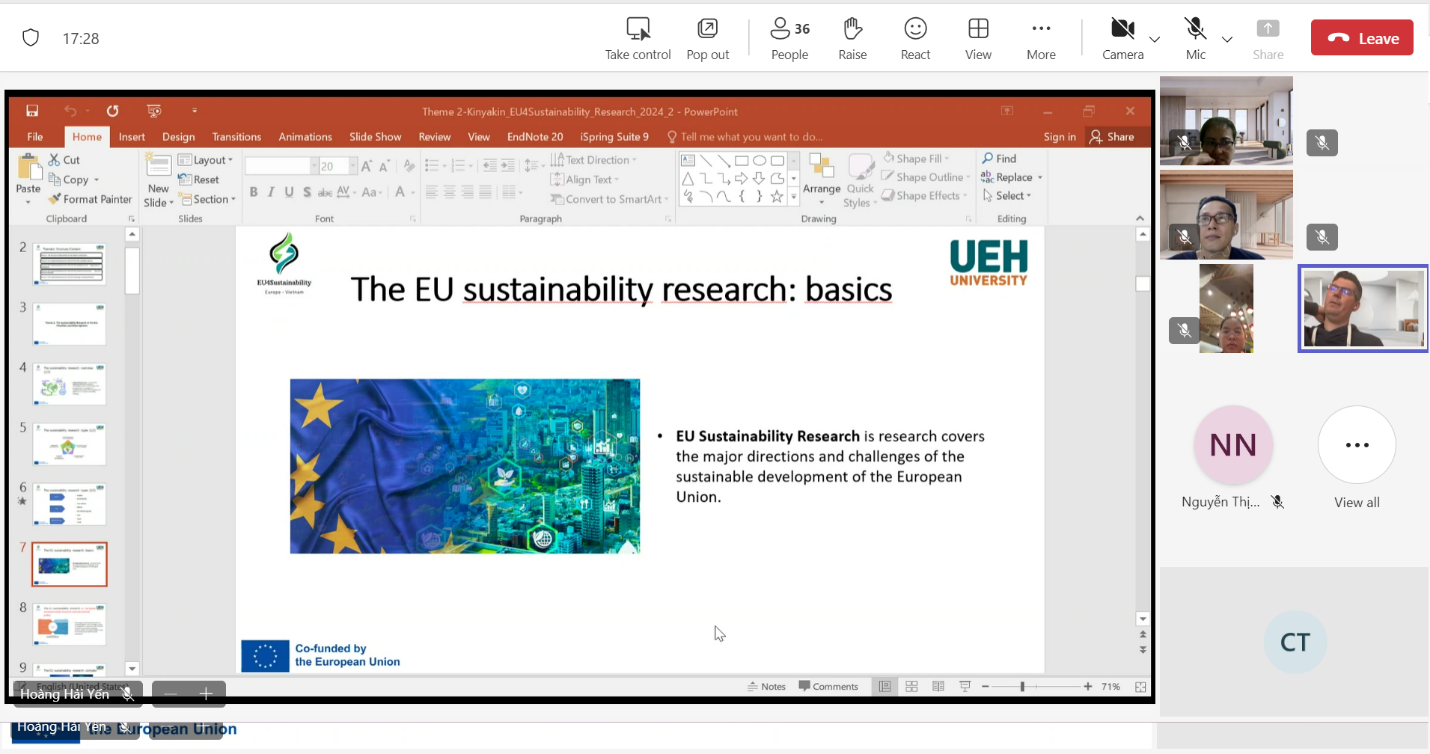
Figure 2 – The “The European Sustainable Society as Research Item” course delivered online by Assoc. Prof. Andrey Kinyakin.
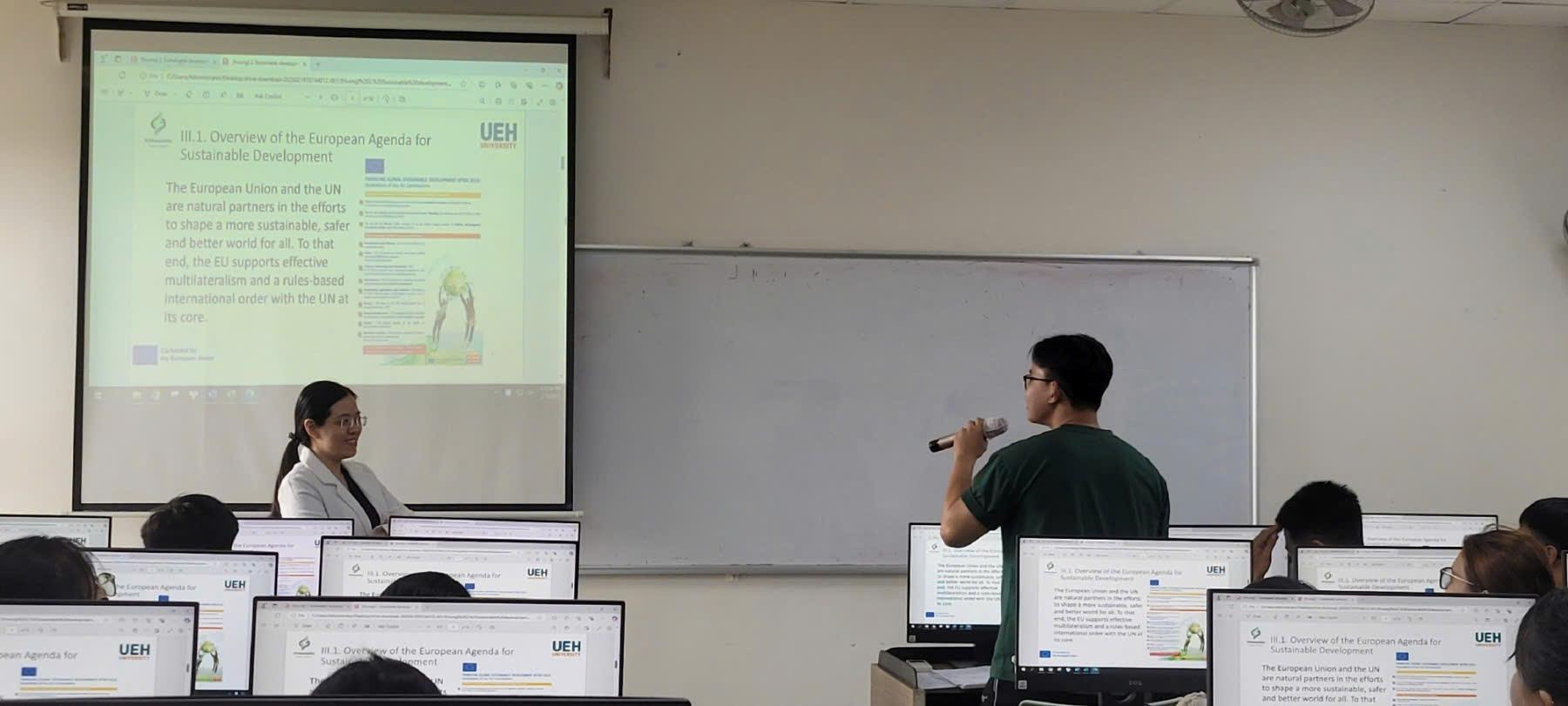
Figure 3 – The “Sustainable Development Goals in European Agenda” course delivered by Dr. Le Nguyen Quynh Huong.
Annual scientific conferences: Connecting research with student academic development
Alongside its educational activities, EU4Sustainability successfully organized one scientific conference each year, providing an academic platform for students, researchers, and lecturers to exchange research findings and perspectives on sustainable development.
The three conferences focused on the following themes:
- Green Finance, Environmental Sustainability and Energy Transition: Global Evidence and Policy Implications
- ESG, Green Innovation and Circular Economy for Sustainable Development: Policy, Business and Behavioral Perspectives
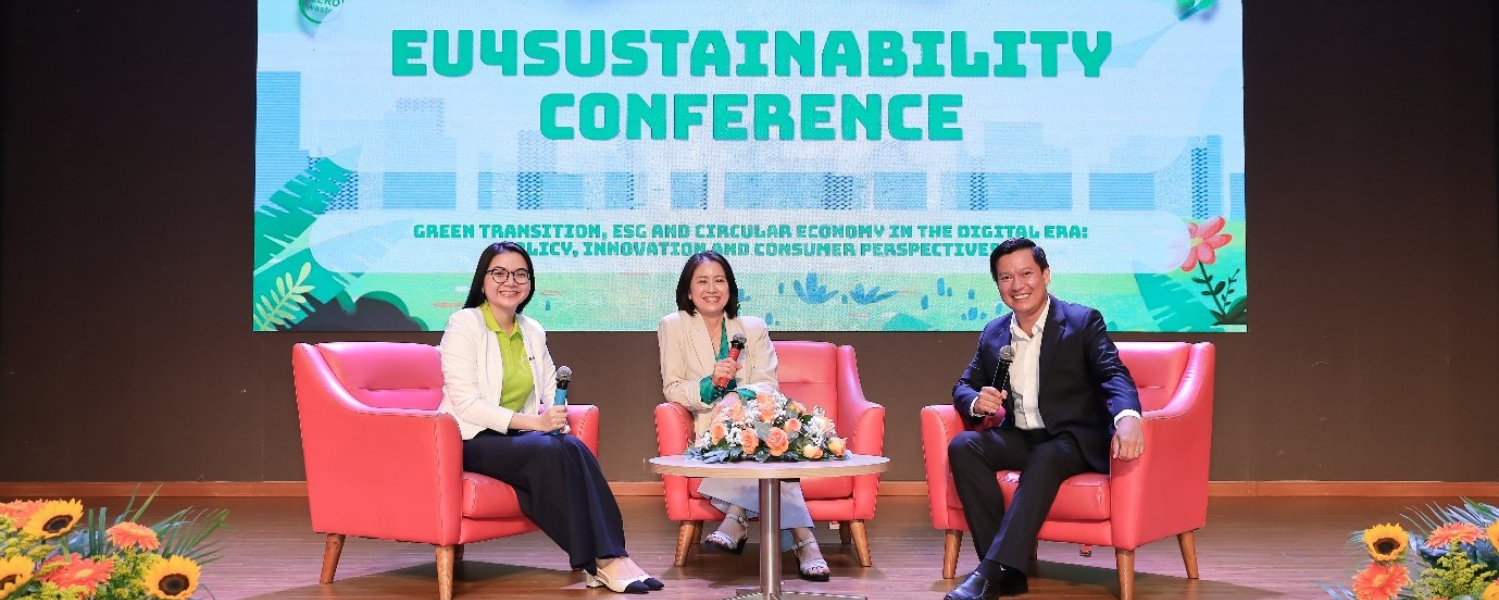
- Green Transition, ESG and Circular Economy in the Digital Era: Policy, Innovation and Consumer Perspectives
Over the three-year period, the conferences received a total of 236 paper submissions, with active participation from students representing a wide range of disciplines and academic programs across UEH.
Following the review and selection process, 86 papers were selected for inclusion in the EU4Sustainability Conference Proceedings, which were subsequently published online on the website of Labour Publishing House.
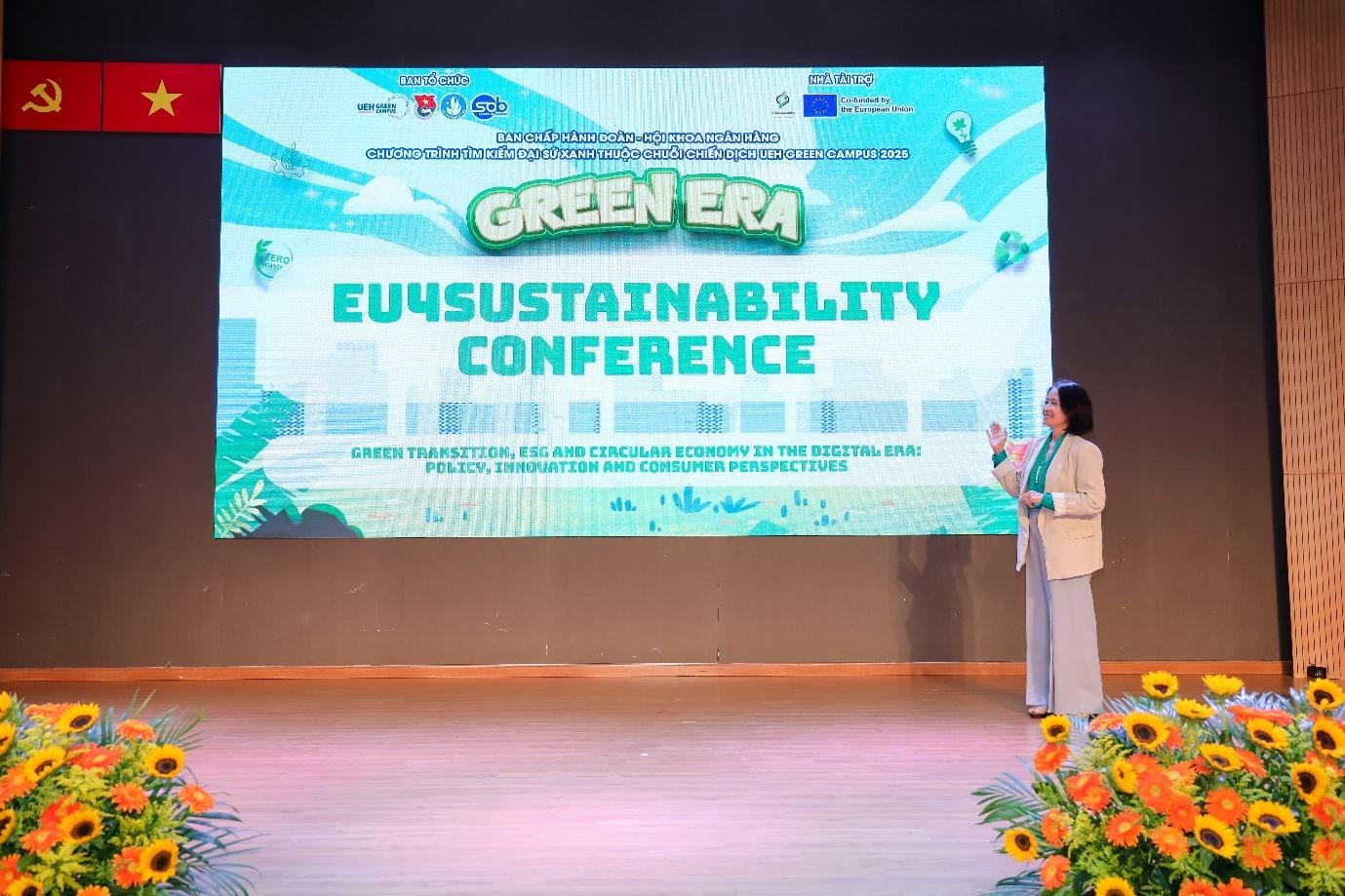
Figure 4 – Assoc. Prof. Dr. Hoang Hai Yen delivering the opening remarks at the conference.
These results demonstrate that the annual conferences served not only as major academic activities of the project but also as valuable research training platforms for students. Through identifying research topics, developing research questions, collecting and analyzing data, preparing academic papers, and presenting their findings, participating students were able to strengthen their research competencies and critical thinking skills.
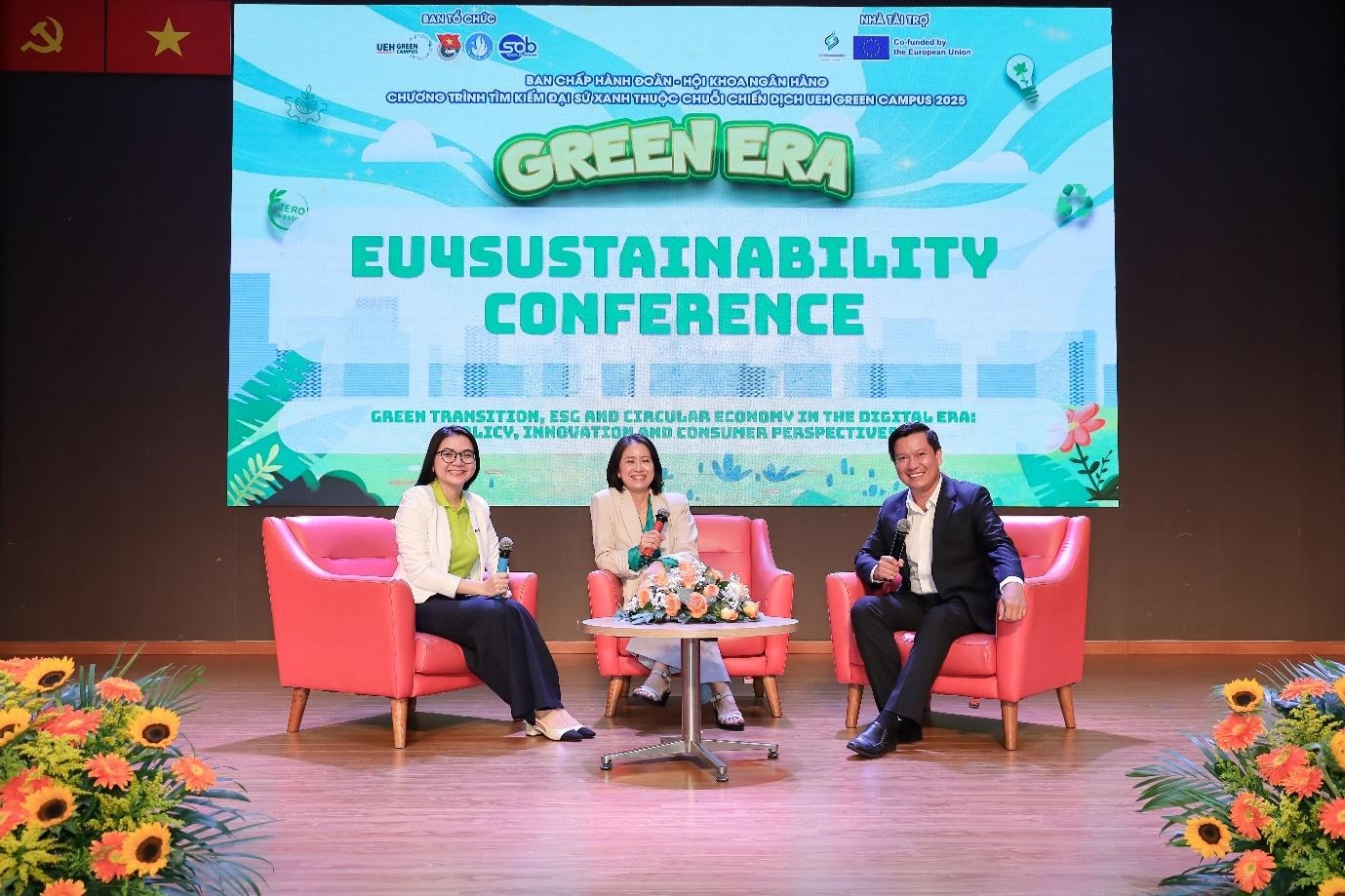
Figure 5. Speakers and invited guests engaging in the panel discussion.
The involvement of students from diverse academic backgrounds also reflected the interdisciplinary nature of the Jean Monnet Module, connecting sustainability with finance, banking, economics, business, consumer behavior, technology, and public policy.
Strengthening research capacity through international publications
Academic research has been another important dimension of EU4Sustainability.
During the project implementation period, Assoc. Prof. Dr. Hoang Hai Yen, Project Coordinator of EU4Sustainability at UEH, collaborated with domestic and international experts and researchers to conduct studies related to finance, environmental policies, energy transition, and sustainable development.
These research efforts resulted in three international journal publications:
- “The impacts of geopolitical risks on gold, oil and financial reserve management”, published in Resources Policy;
- “Examining the impact of mineral export controls on sustainable energy transition in the Global South”, published in Resources Policy;
- “The financial sector’s response to environmental policy stringency: Comparative analysis of developed and developing economies”, published in Energy Economics.
These international publications extended the project’s impact beyond teaching and learning, strengthening UEH’s engagement in international academic discussions on sustainable finance, environmental policies, natural resource management, and the global energy transition.
Bringing sustainability from classrooms to the community
The impact of EU4Sustainability extended beyond classrooms and academic conferences. The UEH project team actively collaborated with the Youth Union and Student Association of the Faculty of Banking to promote sustainable development through student-led communication, experiential learning, and community engagement activities.
One of the notable initiatives was EVERGREEN – in response to the UEH Green Campaign, which featured a range of communication and interactive activities designed to raise student awareness of green lifestyles and sustainable development.
Another significant activity was the Green Sunday Volunteer Program 2025 – GREEN WEEKEND – “Điểm sắc ngày xanh” Volunteer Journey, which provided students with opportunities to translate their awareness of sustainability into meaningful actions for communities and the environment.
Together with various other student initiatives and communication activities, these programs helped expand the reach of EU4Sustainability and strengthened the connection between education, research, experiential learning, and community engagement. In doing so, sustainable development became not only an academic concept but also a practical and accessible part of student life at UEH.
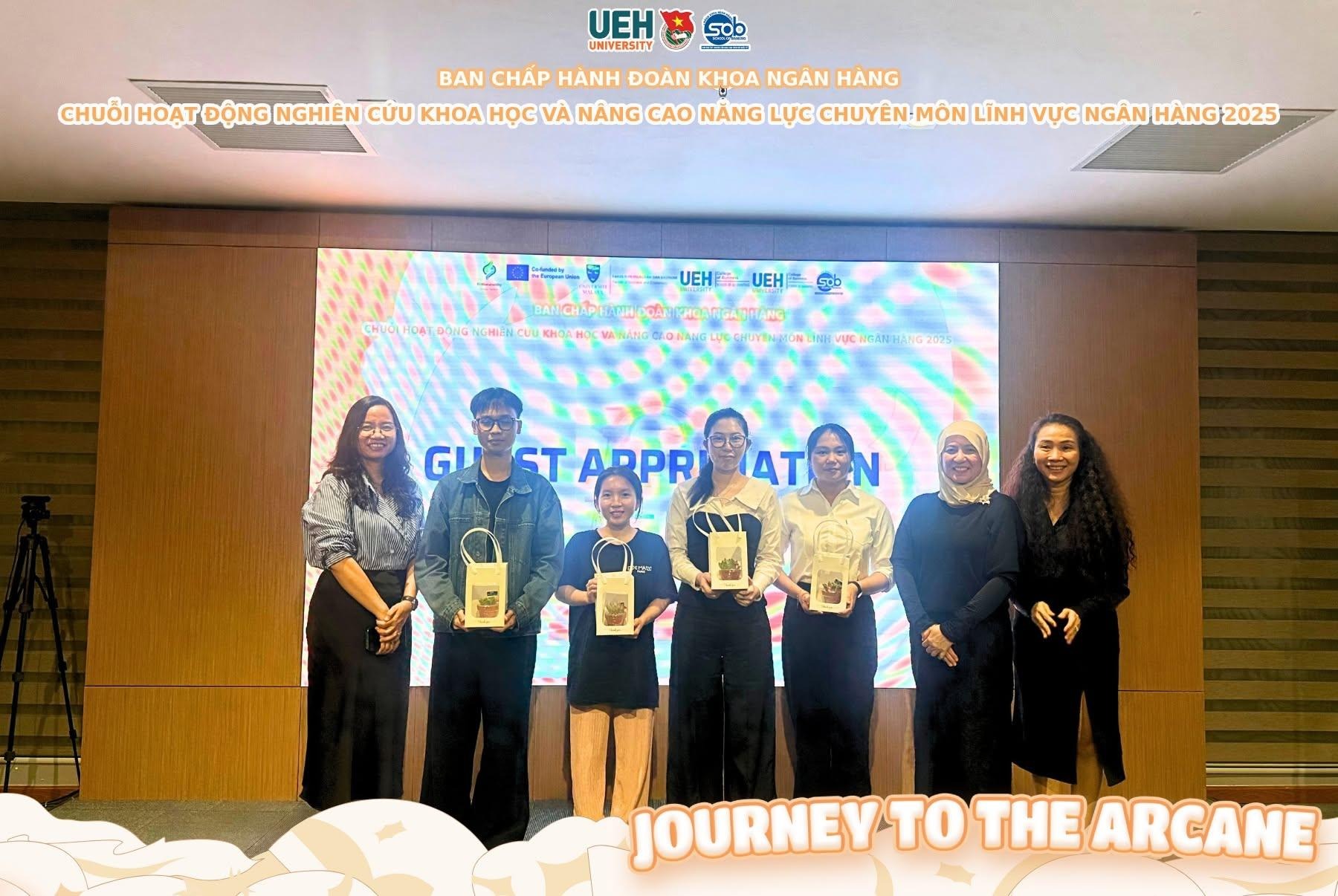
Figure 6 – Shool of Banking Student Research Workshop 2025: “Turning Thoughts into Achievement.”
EU4Sustainability: From a Jean Monnet project to lasting values at UEH
After three years of implementation, EU4Sustainability has established a comprehensive ecosystem of education, research, and engagement activities, including seven courses delivered annually, more than 400 student participations, three scientific conferences, 236 conference paper submissions, 86 papers selected for publication in the project proceedings, and three international journal publications, together with numerous student communication and community engagement initiatives.
Beyond these measurable achievements, the project has created opportunities for students to gain deeper insights into the European Union’s approaches to sustainable development while strengthening interdisciplinary thinking, research competencies, and awareness of economic, social, and environmental responsibilities.
The completion of the project period therefore does not mark the end of the EU4Sustainability journey. The educational resources, research outputs, academic networks, and sustainability values developed throughout the project will continue to provide a foundation for future teaching, research, and community engagement activities at UEH.
Through EU4Sustainability, the spirit of “Research for Change – Education for Sustainability – Action for Community” continues to be fostered, contributing to UEH’s commitment to educating generations of learners equipped with knowledge, global perspectives, and a strong sense of responsibility for a more sustainable future.
![[UEH Through the Lenses of Time #01] UEH 50 Years: From the Classroom Window to the Aspiration to Contribute](/images/upload/thumbnail/ueh-thumbnail-639282664984784994.png)
![[UEH Through the Lenses of Time #02] School of Mathematics - Statistics: Generations of Deans and the Journey of Continuation](/images/upload/thumbnail/ueh-thumbnail-639282663344912443.png)
![[UEH Through the Lenses of Time #03] Half a Century, A Journey & Hundreds of Thousands of Hearts](/images/upload/thumbnail/ueh-thumbnail-639282661905215411.png)
![[UEH Through the Lenses of Time #04] Simple Frames: Keepsakes, Teachers, and Everyday Memories of Generations of UEHers](/images/upload/thumbnail/ueh-thumbnail-639282660641392168.png)
![[UEH Through the Lenses of Time #05] UEH 50 Years - Sustainable Spirit, Far-Reaching Vision](/images/upload/thumbnail/ueh-thumbnail-639282658632294179.png)