
Workforce Intelligence Education Forum 2026: Connecting Education and Industry for High-Quality Workforce Development
28 Jul, 2026


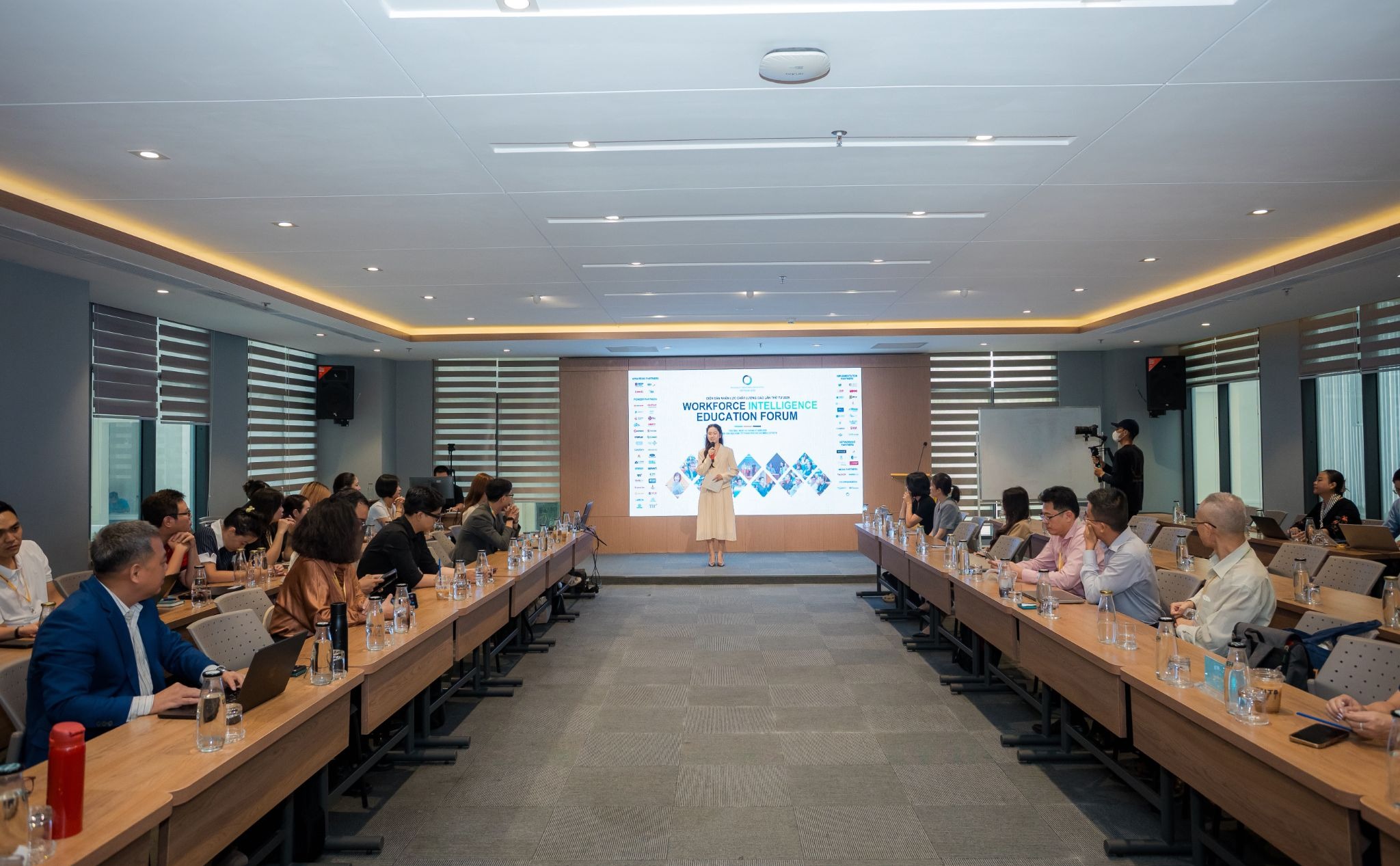
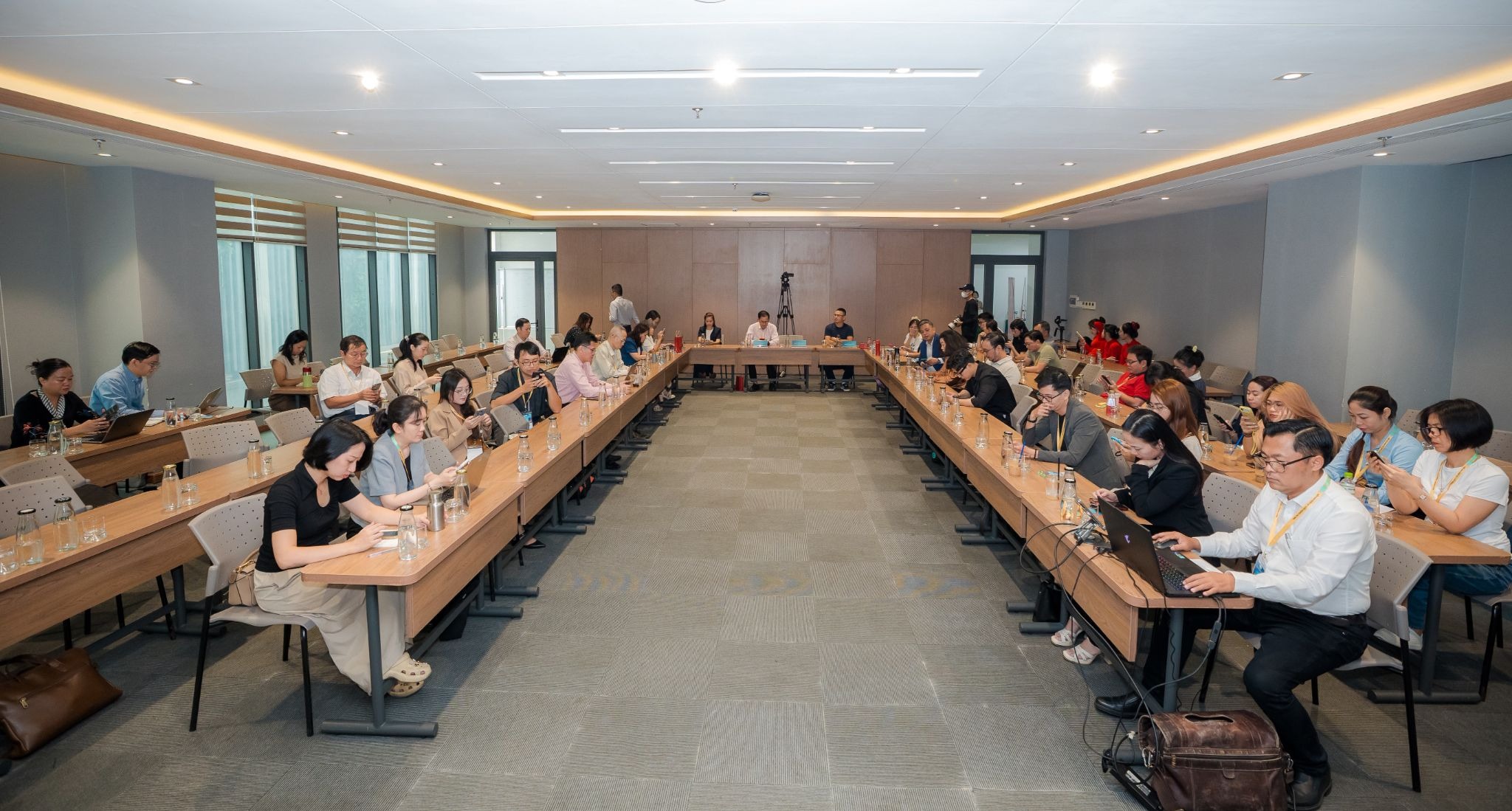
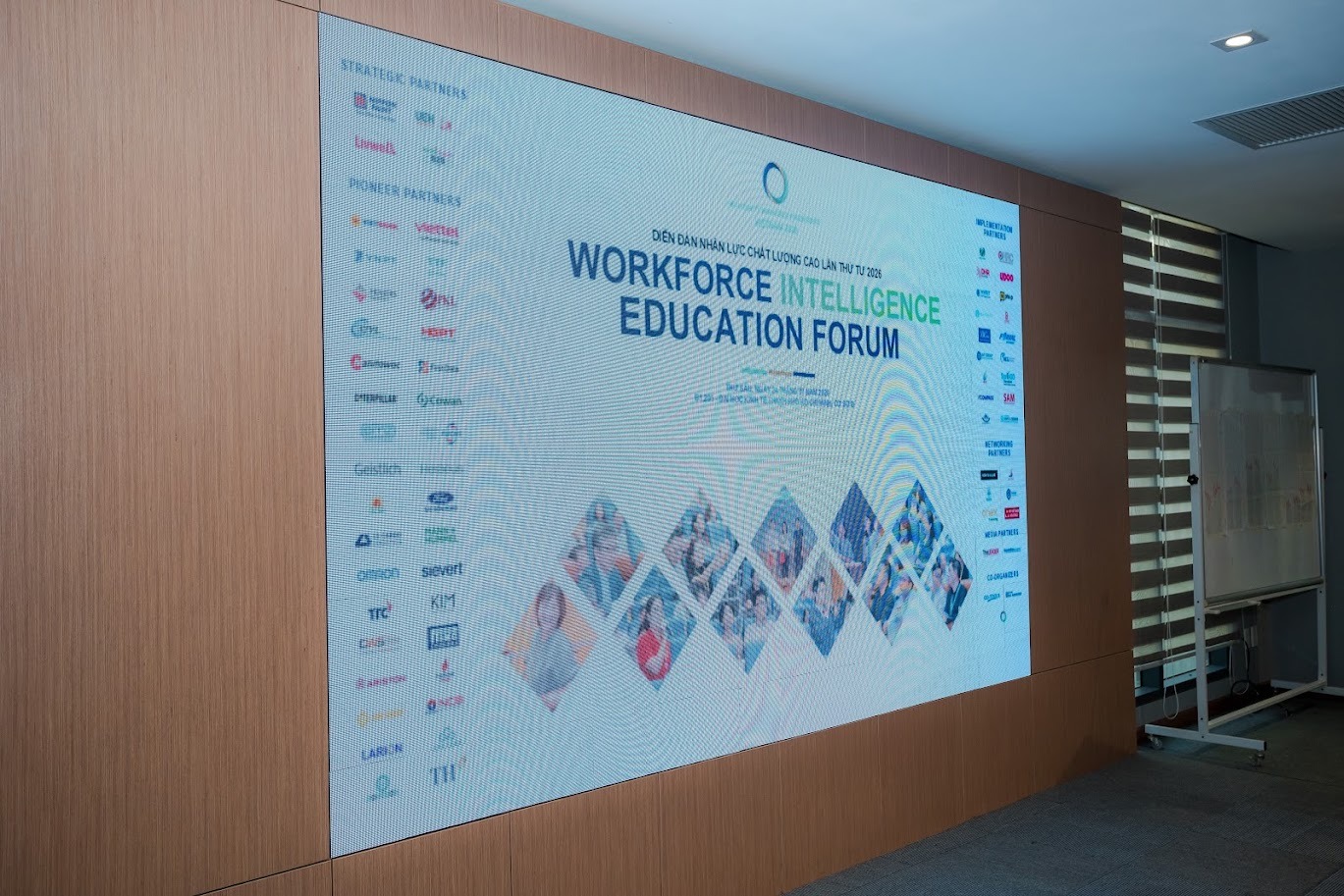
Overview of the Workforce Intelligence Education Forum 2026 at the University of Economics Ho Chi Minh City (UEH).
In his opening remarks, Assoc. Prof. Bui Quang Hung, UEH President, emphasized the crucial role of higher education institutions in partnering with businesses to develop a high-quality workforce amid the rapid transformation driven by AI and digitalization.
According to Assoc. Prof. Bui Quang Hung, educational institutions need to adopt learner-centered approaches that enable students not only to acquire professional knowledge but also to better understand their competencies, strengths, and career aspirations. At UEH, competency and personality assessment tools are gradually being integrated into the learning journey to help students discover their potential and build their own "career DNA" from the very beginning of their university education.
He also highlighted UEH's ongoing efforts to strengthen partnerships with businesses in education, research, and human resource development, thereby narrowing the gap between academic training and the evolving needs of the labor market.
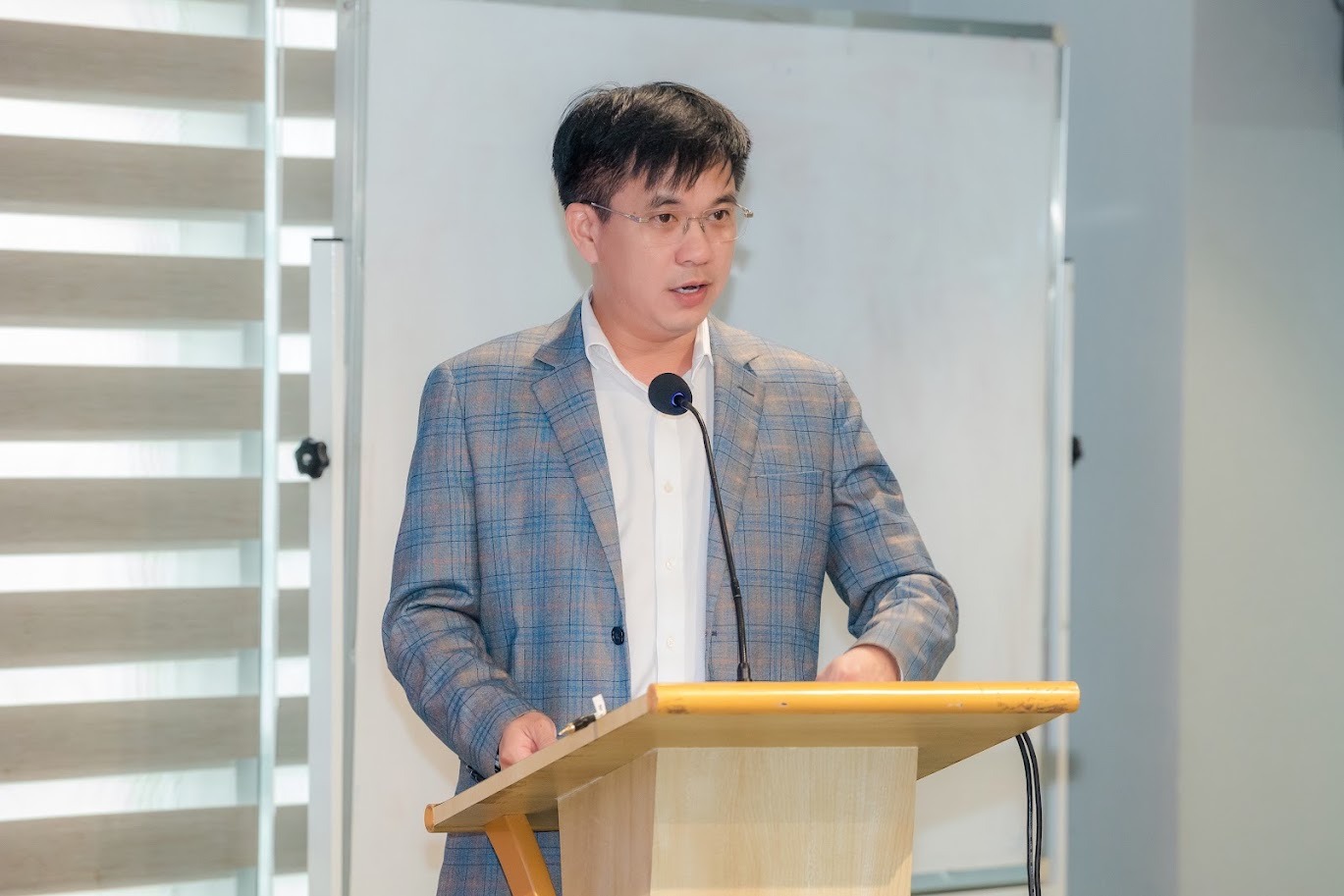
Assoc. Prof. Bui Quang Hung, UEH President, delivers the opening remarks at the forum.
Leveraging Data to Better Understand and Develop Human Potential
As part of the forum, participants had the opportunity to experience several workforce assessment tools, including Interest-Map, Trait-Map, and the Uchida-Kraepelin Test. These assessments provided valuable insights into individuals' career interests, personality traits, work performance capabilities, and motivational drivers. The results support students in making informed career decisions while providing employers with additional data for recruitment, job placement, and talent development.
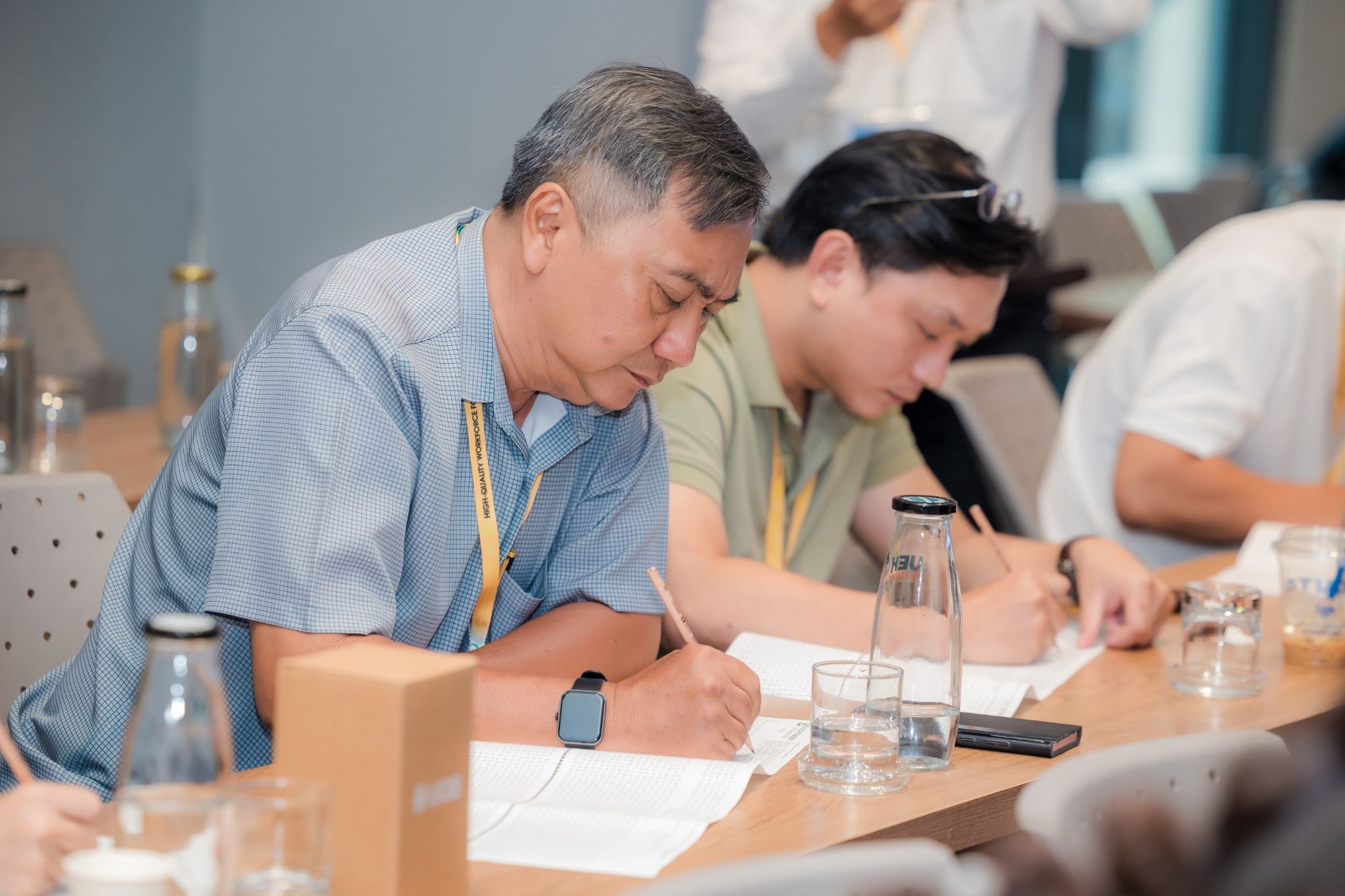
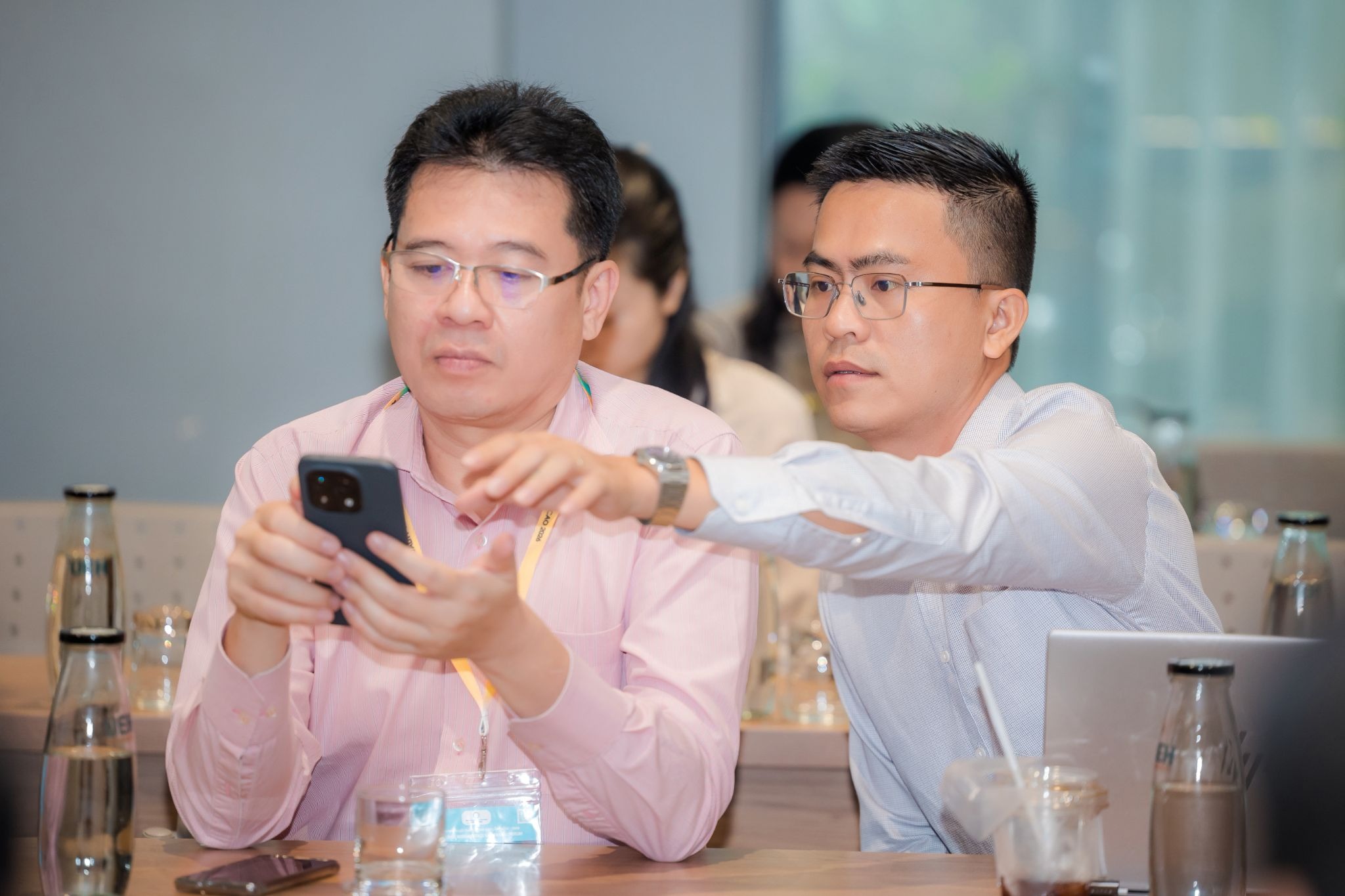

Participants experience workforce assessment tools during the forum.
In addition to the interactive experience sessions, the forum featured keynote presentations on AI and the future of work, the release of Interest-Map and Trait-Map research findings on Vietnamese students, and panel discussions among experts, businesses, and educational institutions on workforce development in the changing employment landscape.
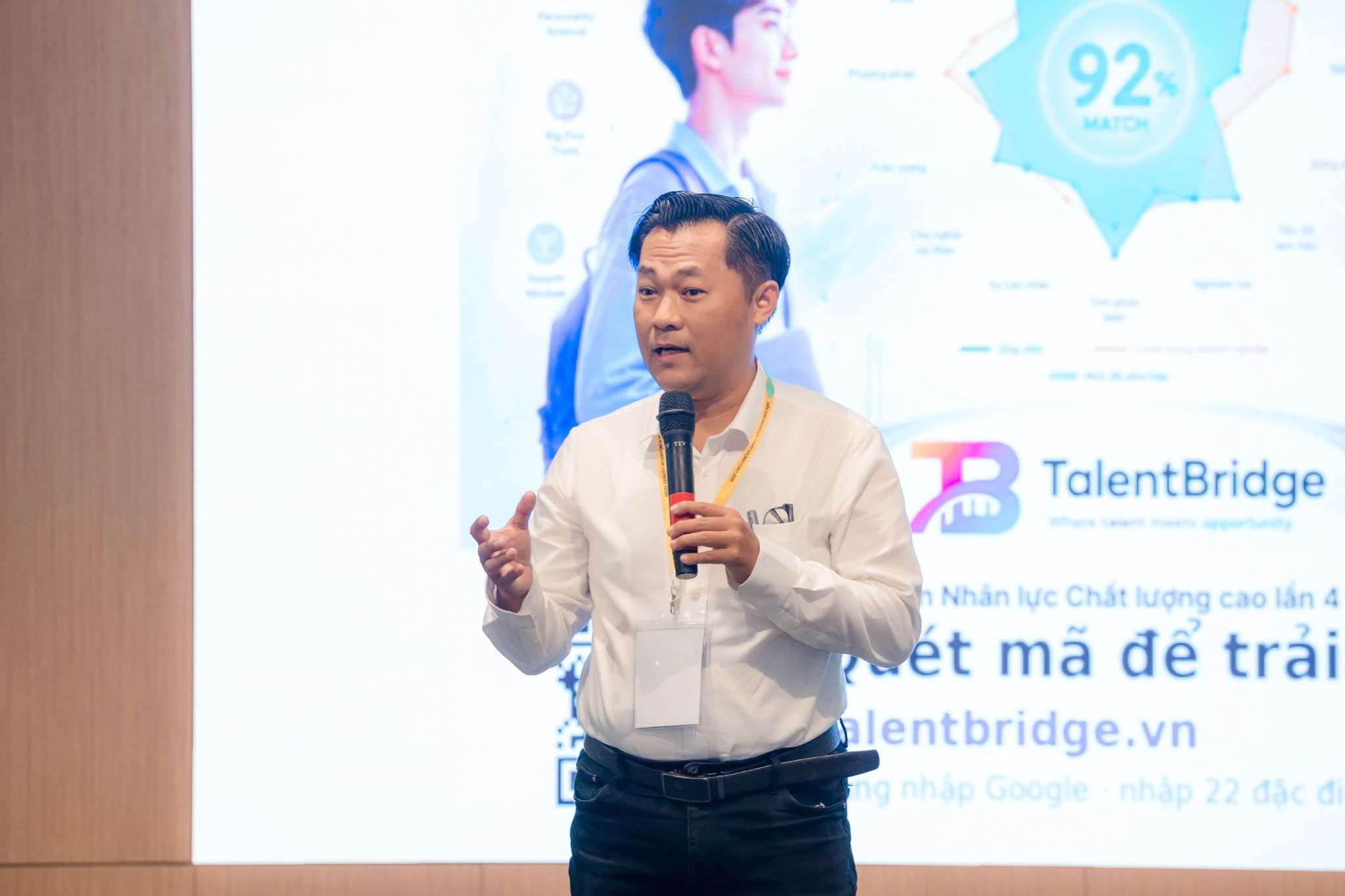
A key highlight of the event was the launch of Talent Bridge, a data-driven platform developed by Success Partner to connect education with industry. The platform integrates students' career interests, competencies, and personality profiles with employers' competency and organizational culture requirements. By leveraging AI, Talent Bridge aims to bridge educational outcomes with recruitment needs through a shared data ecosystem.
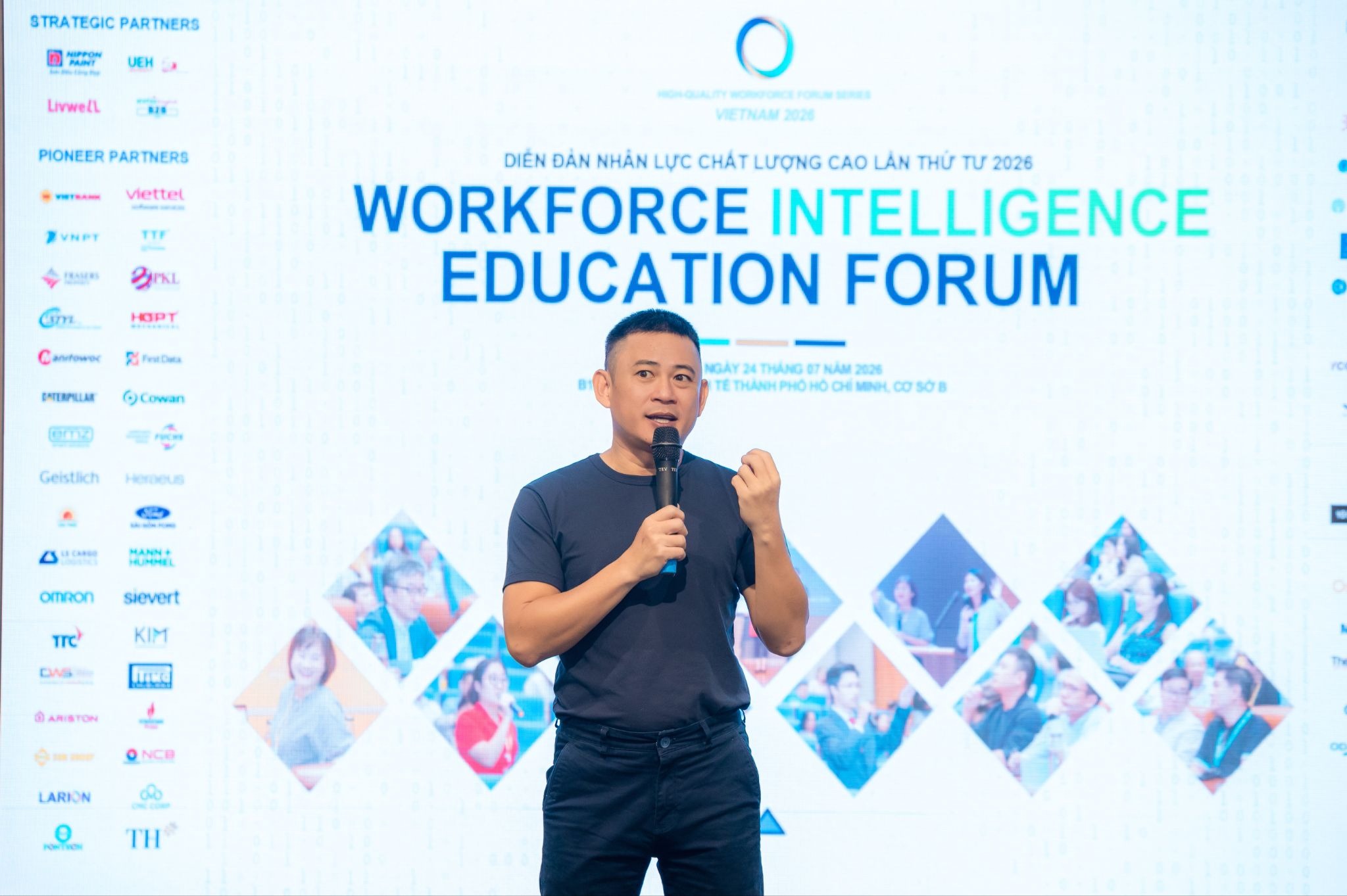
Mr. Le Nhat Truong Chinh, Founder and CEO of Success Partner, explained that these assessment tools are not intended to rank individuals, but rather to help educational institutions and businesses gain a deeper understanding of each person's competencies, motivations, and job fit. This data-driven approach enables organizations to unlock individual potential while improving recruitment effectiveness and workforce development.
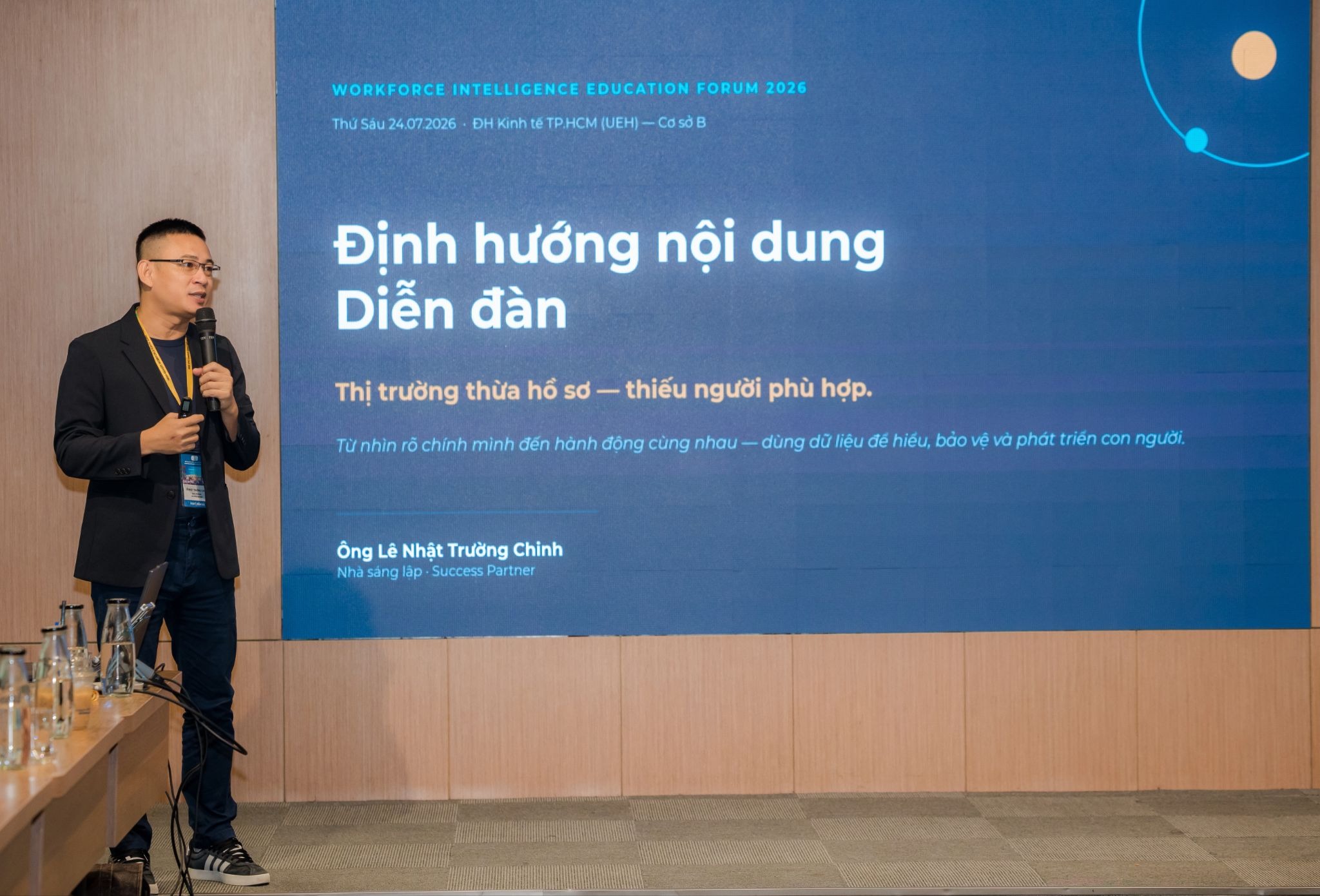
Mr. Le Nhat Truong Chinh, Founder and CEO of Success Partner, introduces the Talent Bridge platform at the forum.
Fostering Dialogue Between Education and Industry
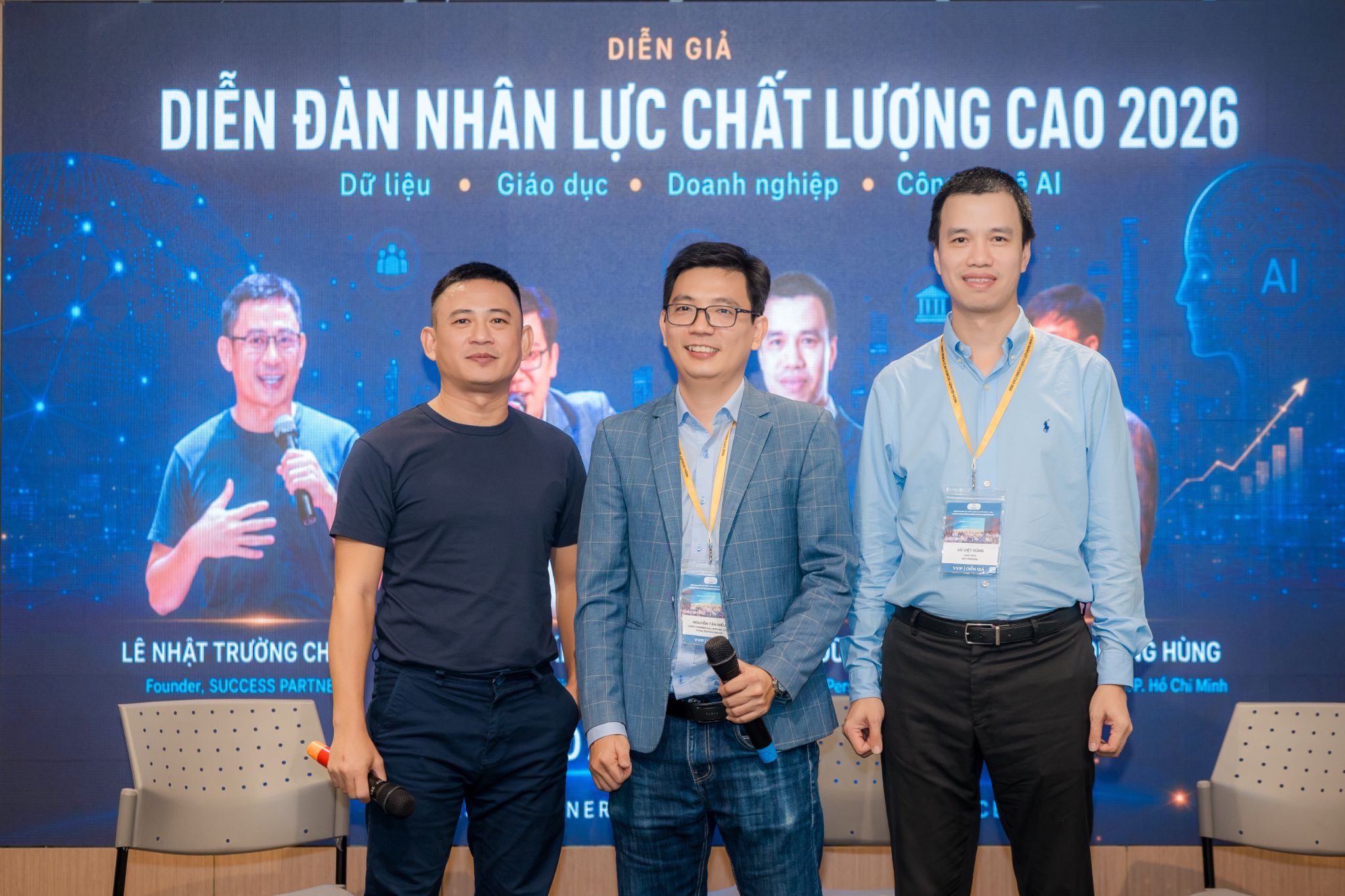
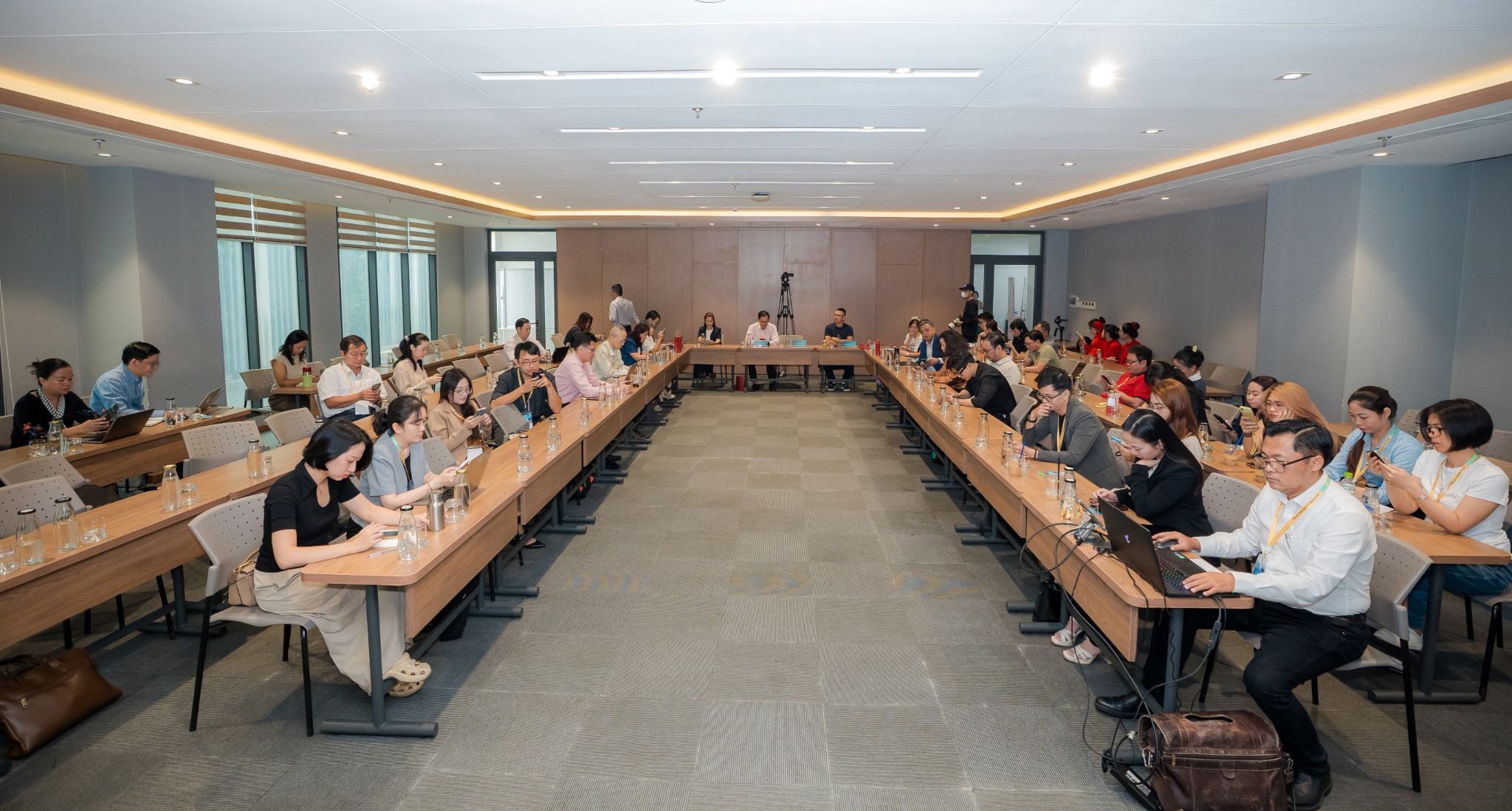
The panel discussions and interactive Q&A sessions further explored the role of data in human resource management, emerging recruitment trends in the AI era, and practical solutions for strengthening collaboration between educational institutions and businesses. Participants exchanged perspectives on competency assessment, skills development, and preparing the future workforce to meet the demands of the evolving labor market.
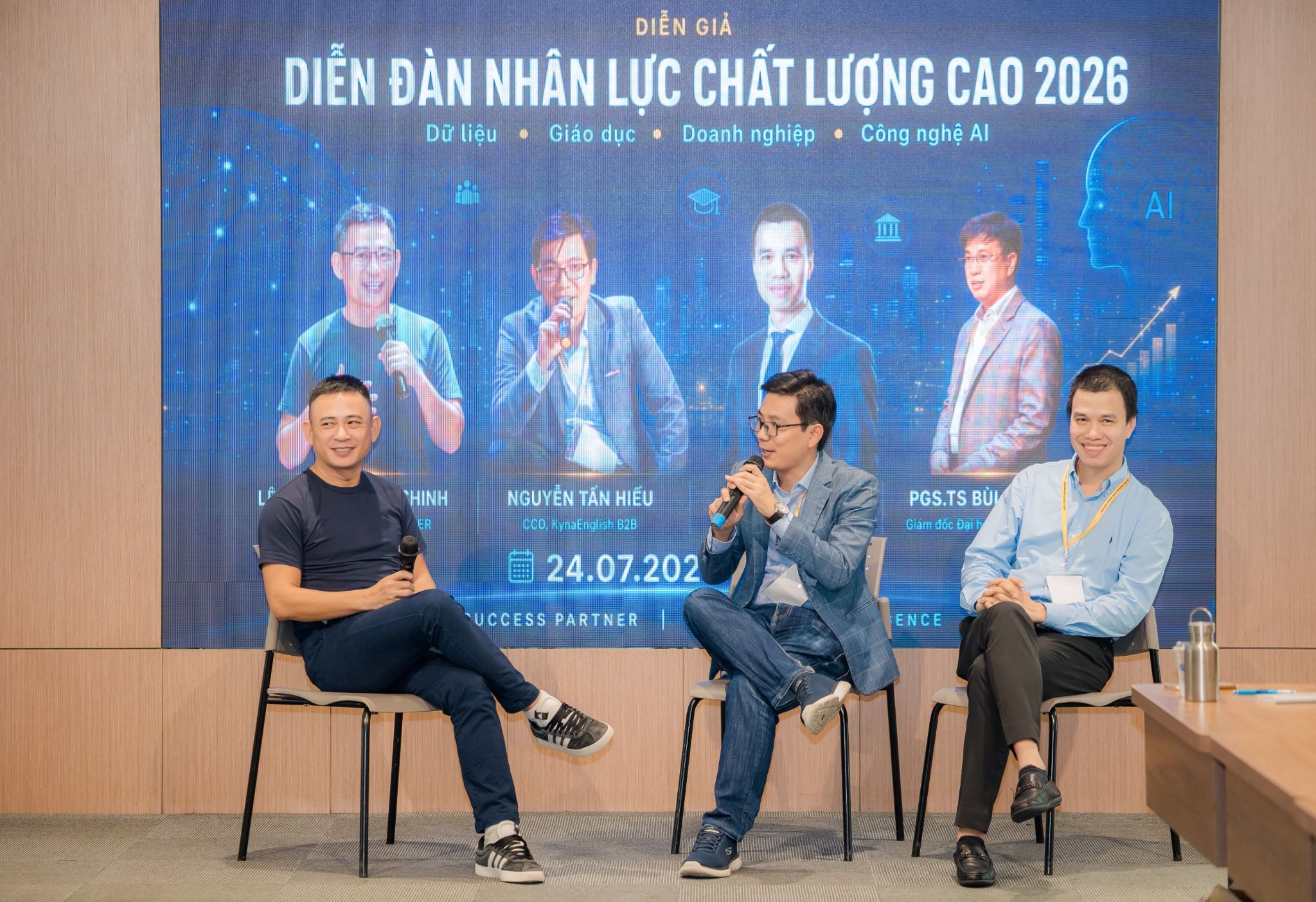
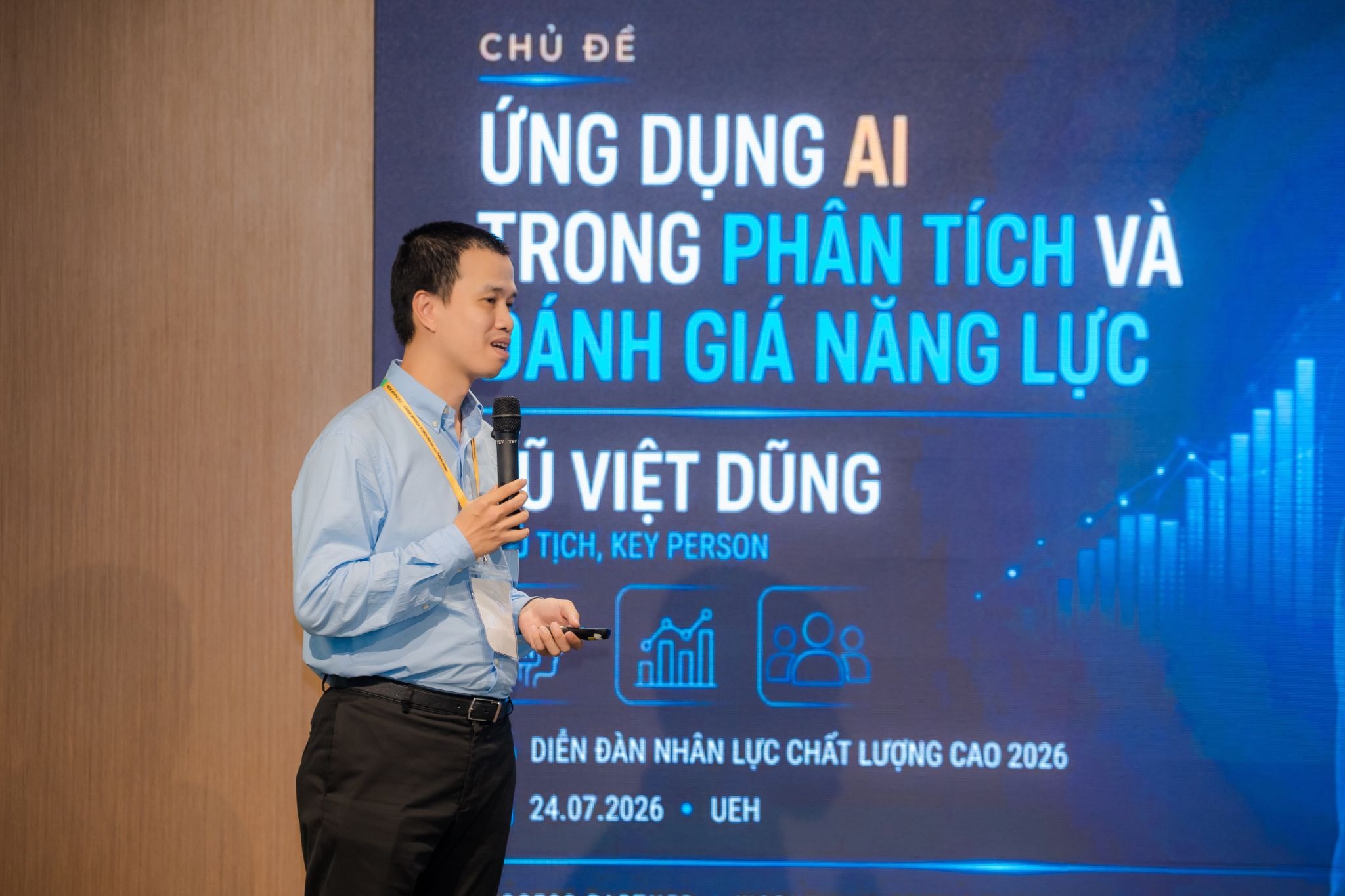
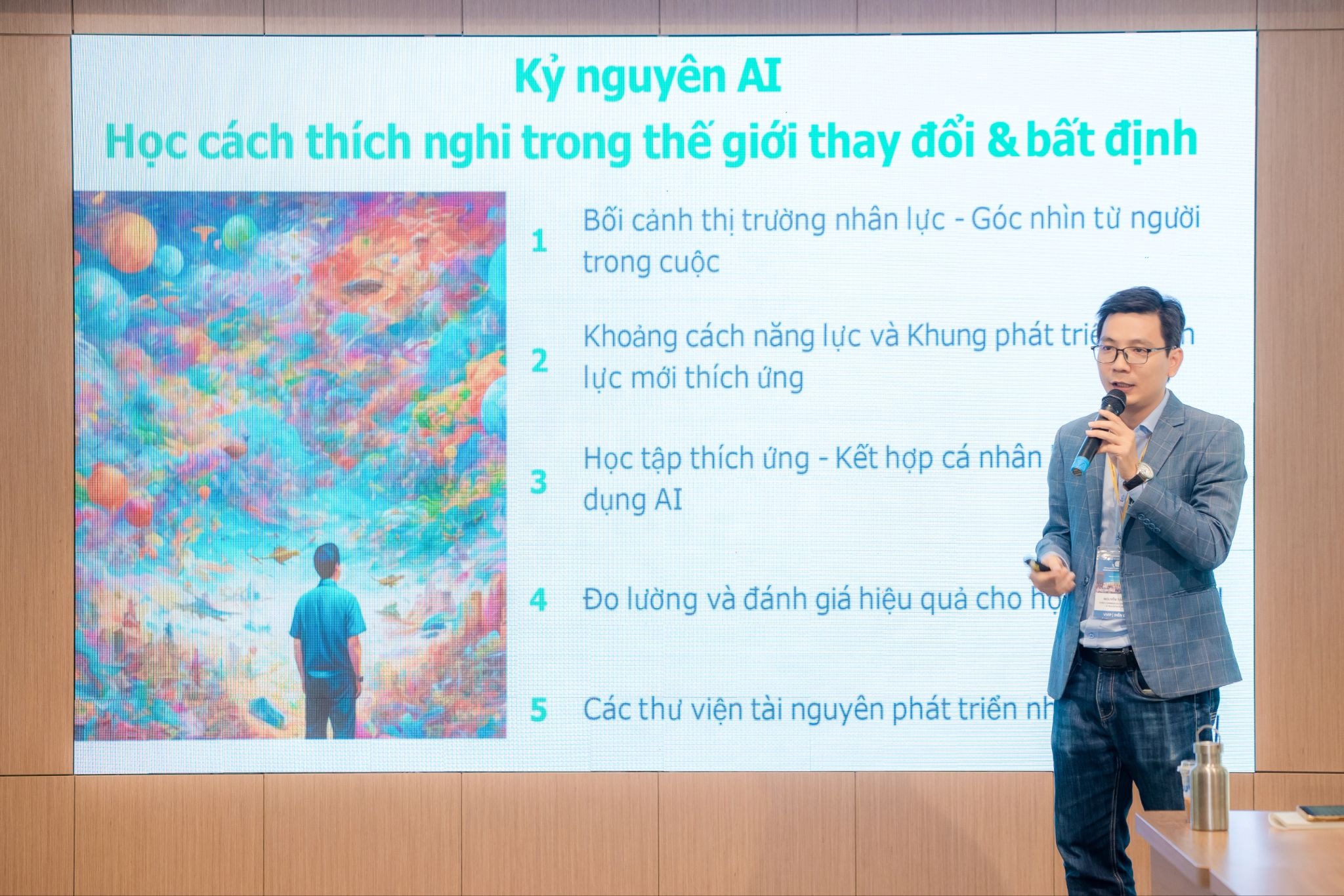


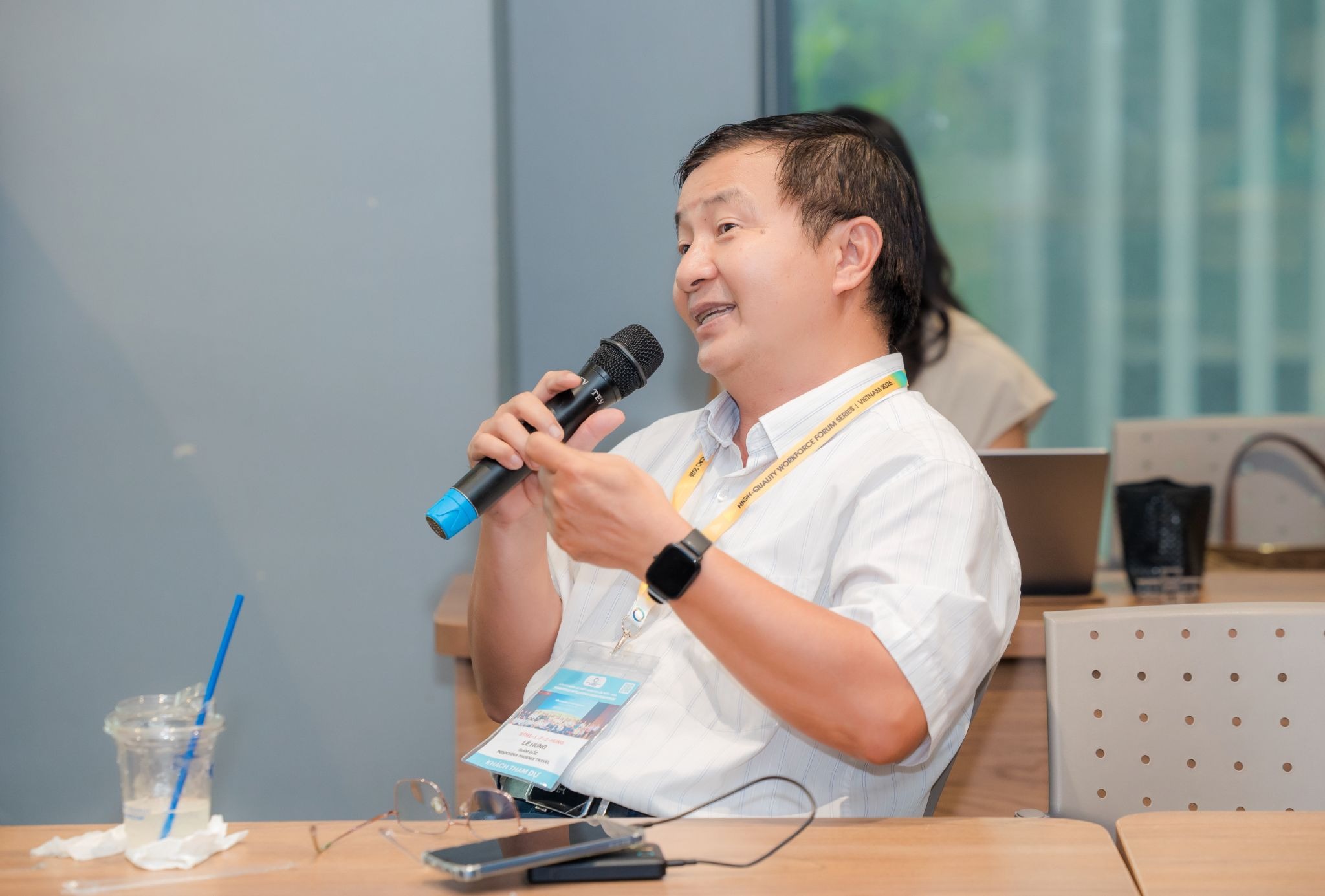
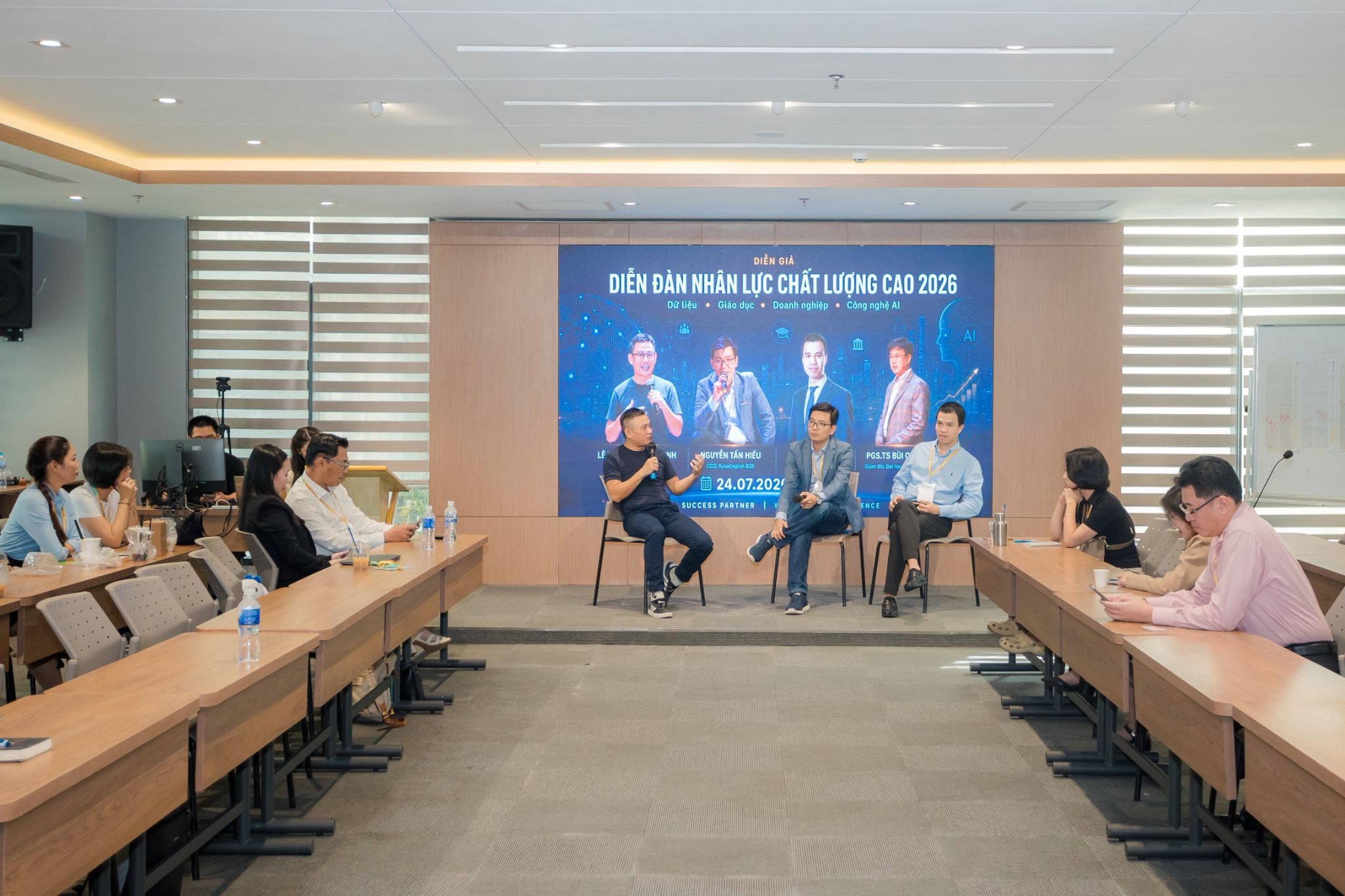
Speakers and distinguished guests participate in the panel discussion on workforce development in the AI era.
Through the forum, UEH continued to reinforce its role as a bridge connecting academia, industry, and partners within the education and innovation ecosystem. Beyond creating a platform for academic and practical exchange, the University also contributed to broader discussions on today's pressing issues, from AI applications and workforce data to educational innovation and the development of a highly skilled workforce.
The Workforce Intelligence Education Forum 2026 also opened up new opportunities for collaboration in education, research, and human capital development, further strengthening the connection between higher education and the needs of the digital economy and the future labor market.
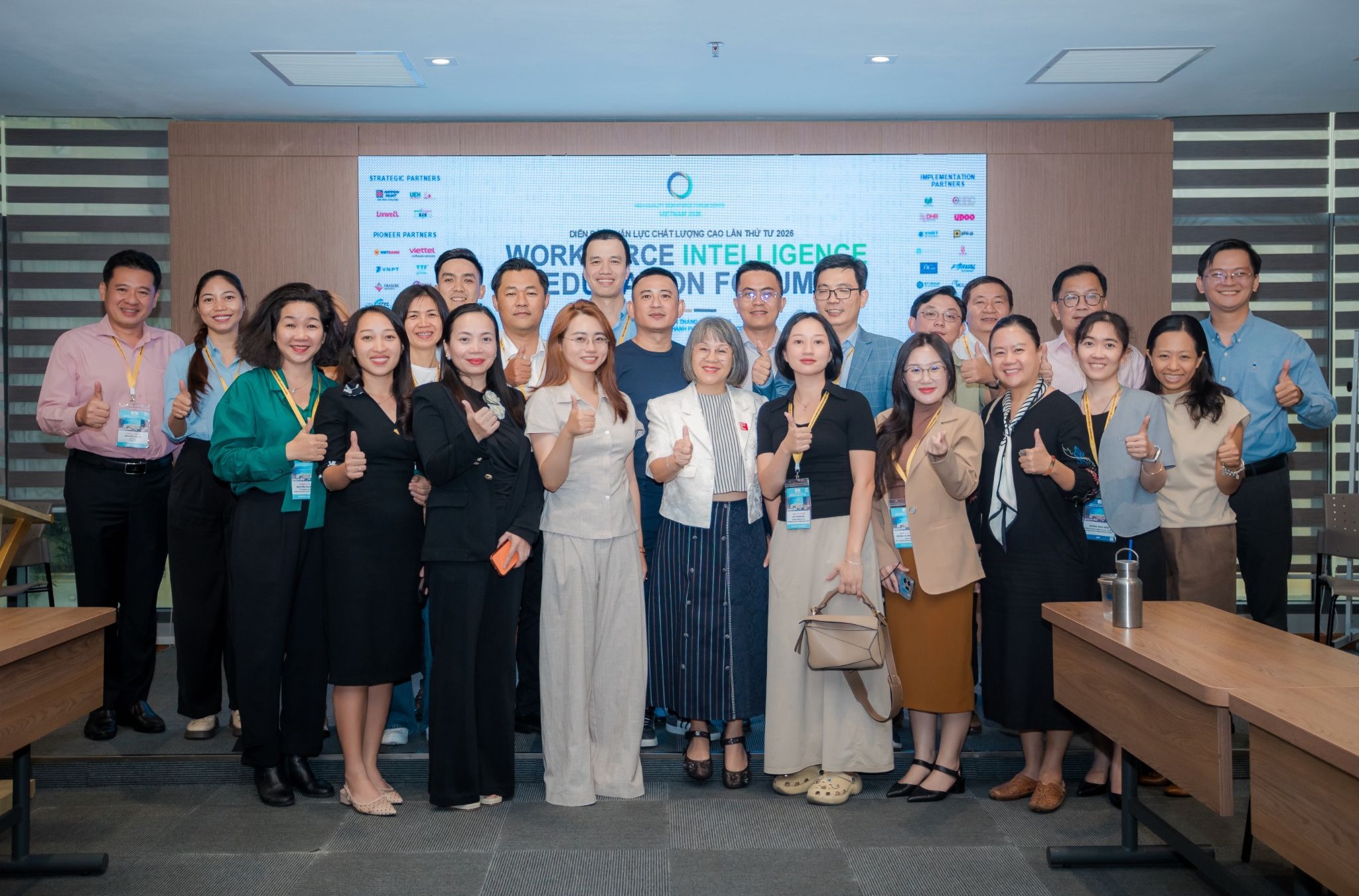
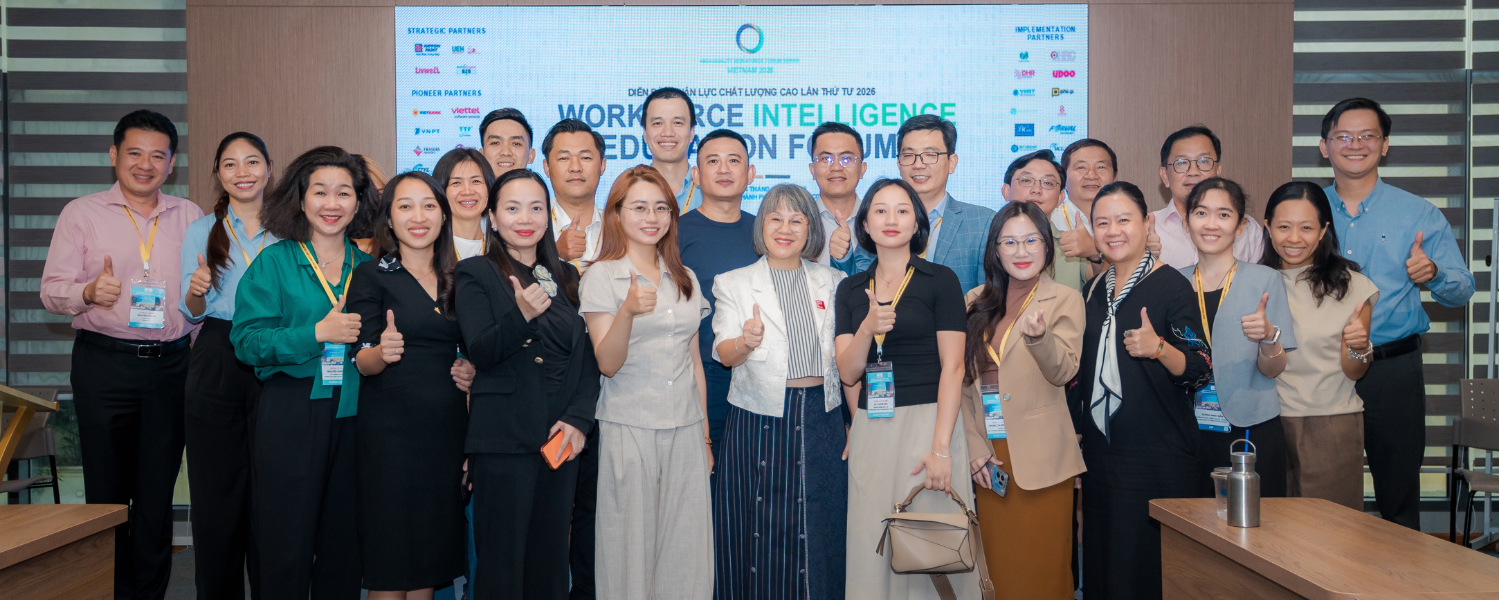
Speakers, delegates, and participants pose for a commemorative photo at the forum.
Additional event highlights:




Pillars: Education, Community Engagement
Project: UEH Connecting
News & Photos: Organizing Committee of the Workforce Intelligence Education Forum 2026, UEH’s Department of Communications and Partnerships.
![[UEH 50 Years] A Multidisciplinary and Sustainable University: A strategic transformation to expand the frontiers of knowledge and create value for the community](/images/upload/thumbnail/ueh-thumbnail-639286299966128227.png)
![[UEH 50] Launching Ceremony UEH Technology Convergence Hub and UEH FLEX Pilot Project: A Convergence Point for Technology, Knowledge Connection, and Innovation for Sustainable Development](/images/upload/thumbnail/ueh-thumbnail-639286062840222030.png)


![[UEH 50] JABES Launches Special Issue Celebrating the 50th Anniversary of UEH: 12 Research Papers Accompanying Vietnam's Development Issues](/images/upload/thumbnail/ueh-thumbnail-639283721313299577.png)
![[UEH Through the Lenses of Time #01] UEH 50 Years: From the Classroom Window to the Aspiration to Contribute](/images/upload/thumbnail/ueh-thumbnail-639282664984784994.png)
![[UEH Through the Lenses of Time #02] School of Mathematics - Statistics: Generations of Deans and the Journey of Continuation](/images/upload/thumbnail/ueh-thumbnail-639282663344912443.png)